
The Empty Chair: Gentle Ways to Care for Your Grief This Winter
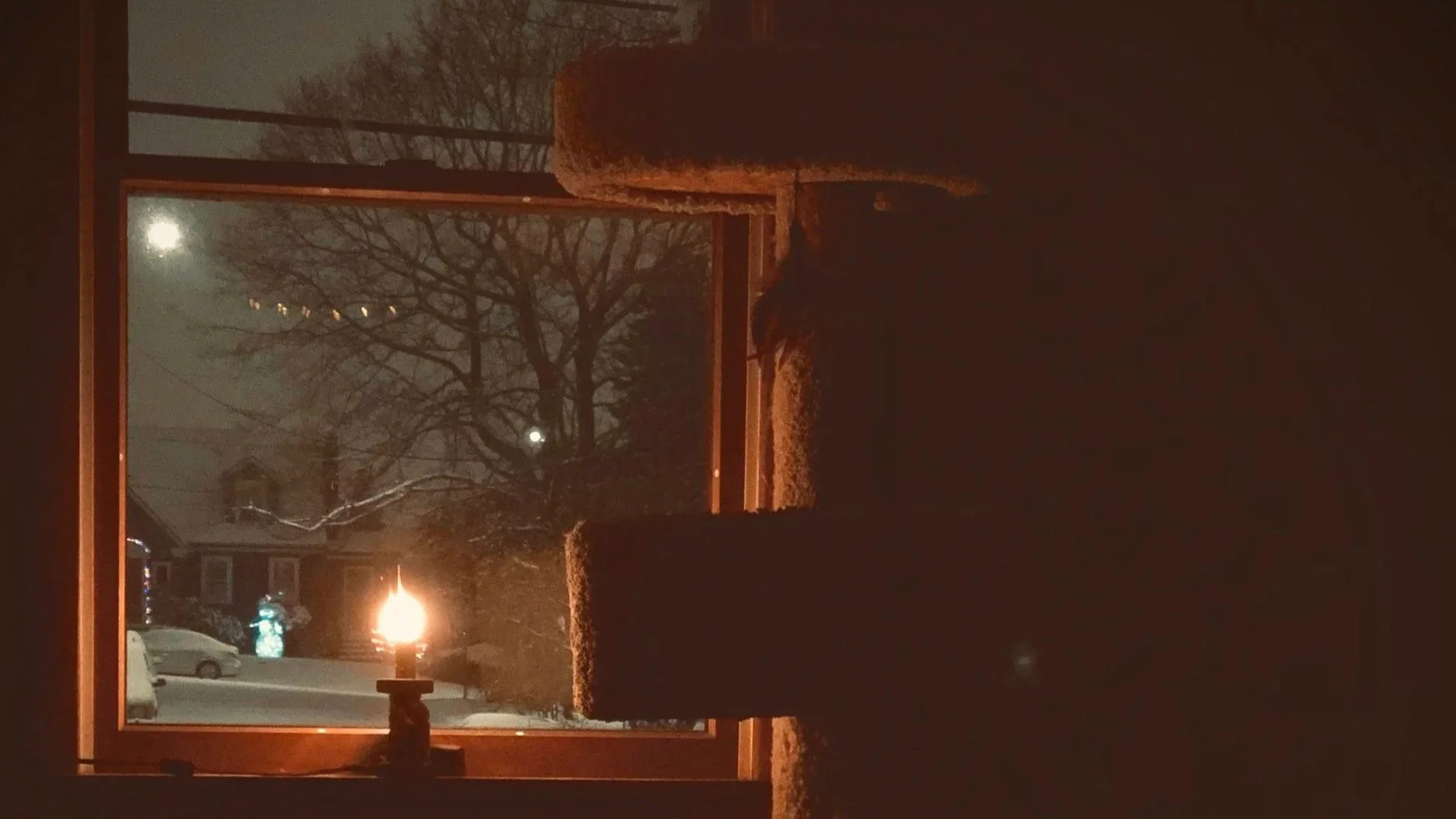
Winter has its own way of amplifying the quiet places in our hearts. The long evenings, still mornings, and soft hush that settles over the world can remind us of the pet we used to curl up with on nights like these. The one who warmed our lap, greeted us at the window, or followed us from room to room like a tiny, loyal shadow.
When you’re grieving, winter can feel heavier than usual. The empty chair where your pet used to rest, the blanket they always claimed, or the rituals you once shared—morning walks, evening cuddles, the sound of paws padding across the floor—all of it echoes a little louder in the stillness of the season.
If this winter feels different for you, if the cold settles in a little deeper or the days feel a little longer, please know: you’re not alone. Grief has its own rhythm, and winter often invites it to rise gently to the surface.
This post is here to offer warmth, comfort, and a few heart-centred ways to take care of yourself during these colder months.
Winter Has a Way of Slowing Us Down
Grief already asks a lot of your body and mind. It drains energy, disrupts sleep, and pulls at your attention. When winter adds early sunsets, less movement, and more time indoors, everything can feel even heavier.
And, winter also offers opportunities—quiet pockets of time that can be used to rest, reconnect, and tend to your heart with intention.
Here are some gentle, grief-compassionate ways to care for yourself this winter.
1. Create a Warm, Soft Space That Supports You
Your environment influences how safe and grounded you feel. Winter is an invitation to surround yourself with textures, sounds, and comforts that bring ease.
Try:
Soft blankets draped over your favourite chair
Warm lighting—lamps, candles, or battery-powered tea lights
A plush cushion or weighted blanket
The scent of something grounding: vanilla, cedar, lavender
A gentle playlist (instrumental, nature sounds, soft acoustics)
This isn’t about redecorating—it’s about creating one small place that feels like a refuge. A place where your grief is welcome. A place where your body can soften.
Sometimes tending to your surroundings helps you breathe just a little easier.
2. Let Yourself Honour “The Empty Chair”
When your pet shared your daily routines, their absence touches nearly every part of your home. The instinct to avoid memories is understandable—and there can be healing in allowing yourself to acknowledge them gently.
Here are some simple, meaningful ways to honour the empty chair this winter:
Place a small candle where they used to sit
Light it in the evenings as a symbol of your ongoing love.
Add a tiny winter token
A pine cone, a snowflake ornament, or a sprig of greenery placed where they rested can feel like a quiet tribute.
Bring out a photo you love
Let it sit on a side table or mantle—somewhere you can see it without feeling overwhelmed.
Keep one of their blankets or toys nearby
Touch can be grounding. Holding something connected to your pet can bring comfort on difficult days.
These gestures don’t replace your pet, and they’re not meant to. They simply create space for your grief to breathe instead of being tucked away.
3. Embrace Rituals That Bring You Connection
Rituals help our hearts process what we’re feeling. They offer structure when everything else feels unsteady.
Your winter grief rituals can be big or small. What matters is that they feel gentle, meaningful, and doable.
Here are some ideas:
A Nightly Candle Ritual
Light a candle at dusk. Whisper your pet’s name.
Say something like, “Thank you for the love we shared.”
A Memory Walk
Bundle up and take a short walk—five minutes is enough.
Let the rhythm of your steps become a moment of grounding.
Warm Drink Moments
Make a tea, hot cocoa, or hot lemon water.
Sit with the warmth in your hands and remember one comforting moment with your pet.
Write Them a Winter Letter
Tell them what you miss. What you’re grateful for.
What this season feels like without them.
Create a Winter Memory Box
Include photos, fur, tags, notes, or small belongings.
Add to it when your heart feels called.
Rituals help transform pain into remembrance—into something that can be held rather than something that overwhelms.
4. Allow Yourself Extra Rest (Even When You Think You “Shouldn’t”)
Grief is exhausting.
Winter is exhausting.
Together, they stack on top of one another.
Rest isn’t optional right now—it’s essential.
Let yourself:
Nap without guilt
Go to bed early
Move slowly in the mornings
Cancel plans
Sit down when your body asks
Have quiet days without productivity
You’re not “falling behind.”
You’re repairing.
You’re recalibrating.
You’re learning how to live in a world that looks and feels different.
Rest is part of healing—never a failure.
5. Let Light In Wherever You Can
Natural light in winter is scarce, but it does wonders for your emotional and physical well-being.
Ways to bring more light into your days:
Open curtains first thing in the morning
Sit by a sunny window (cats know the secret!)
Use full-spectrum light bulbs or a light therapy lamp
Add soft lamps to dark corners of your home
You can also invite metaphorical light:
Watch uplifting shows
Read something gentle
Listen to warm, soothing voices (audiobooks, calm podcasts)
Connect with someone who feels safe
Grief often dims the world around you, so intentionally reaching for light—literal or symbolic—can help anchor your days.
6. Seek Out Comforting Movement
Winter doesn’t usually inspire activity, but gentle movement supports emotional processing, sleep, and energy.
Nothing strenuous—just simple things like:
Stretching under a warm blanket
Slow, mindful yoga
A short walk to the mailbox
Indoor “laps” around your home
Reaching slowly toward the ceiling, then folding forward
Rocking gently in a chair
Movement isn’t always about fitness—it’s about helping your grief shift through your body instead of stagnating in it.
7. Ask for Connection When You Need It
The winter months can magnify loneliness. If your pet was your main companion, the absence can feel even sharper this time of year.
It’s okay to reach out when you feel isolated. It’s okay to say:
“I’m feeling tender today.”
“I’m missing my pet more than usual.”
“Could we talk for a few minutes?”
“Would you be open to keeping me company for a bit?”
Choose people who respond with warmth, not judgment.
Choose people who know how to be gentle with your grief.
Choose people who make your nervous system settle instead of spike.
And if human connection feels overwhelming, consider:
Grief groups
Online communities
Journalling
Talking to your pet out loud
Reading stories from others who’ve loved and lost
Connection comes in many forms—and all of them count.
8. Honour Your Pet in a Way That Feels Right for You
Winter can be a tender time to create a small remembrance ritual:
Hang a special ornament
Place a snowflake or pine branch by their photo
Donate food or supplies to an animal shelter
Light a candle on the first snowfall
Make a little hot chocolate “toast” to your pet
Write their name in the snow
Grief doesn’t need to be heavy to be meaningful.
Sometimes the softest gestures hold the most love.
Winter Will Not Always Feel Like This
When you’re grieving, it can feel like winter will last forever.
Like the cold will never lift.
Like the empty chair will always hurt this much.
But tenderness shifts.
The ache softens.
The warmth begins to return in little moments—unexpected ones.
You won’t always hurt the way you hurt today.
Your body will learn how to carry this grief.
Your heart will find new ways to stay connected.
The love you shared with your pet will weave itself into your life in quieter, gentler ways.
And in its own time, light will return.
If you’re moving through winter with a tender heart after losing a beloved pet, you don’t have to navigate this season alone. I offer compassionate, one-to-one pet loss grief support to help you honour your pet, care for your heart, and find moments of comfort along the way.
Learn more or book a session today. 💖
