
When Home Feels Too Quiet: Coping With Pet Loss in Retirement
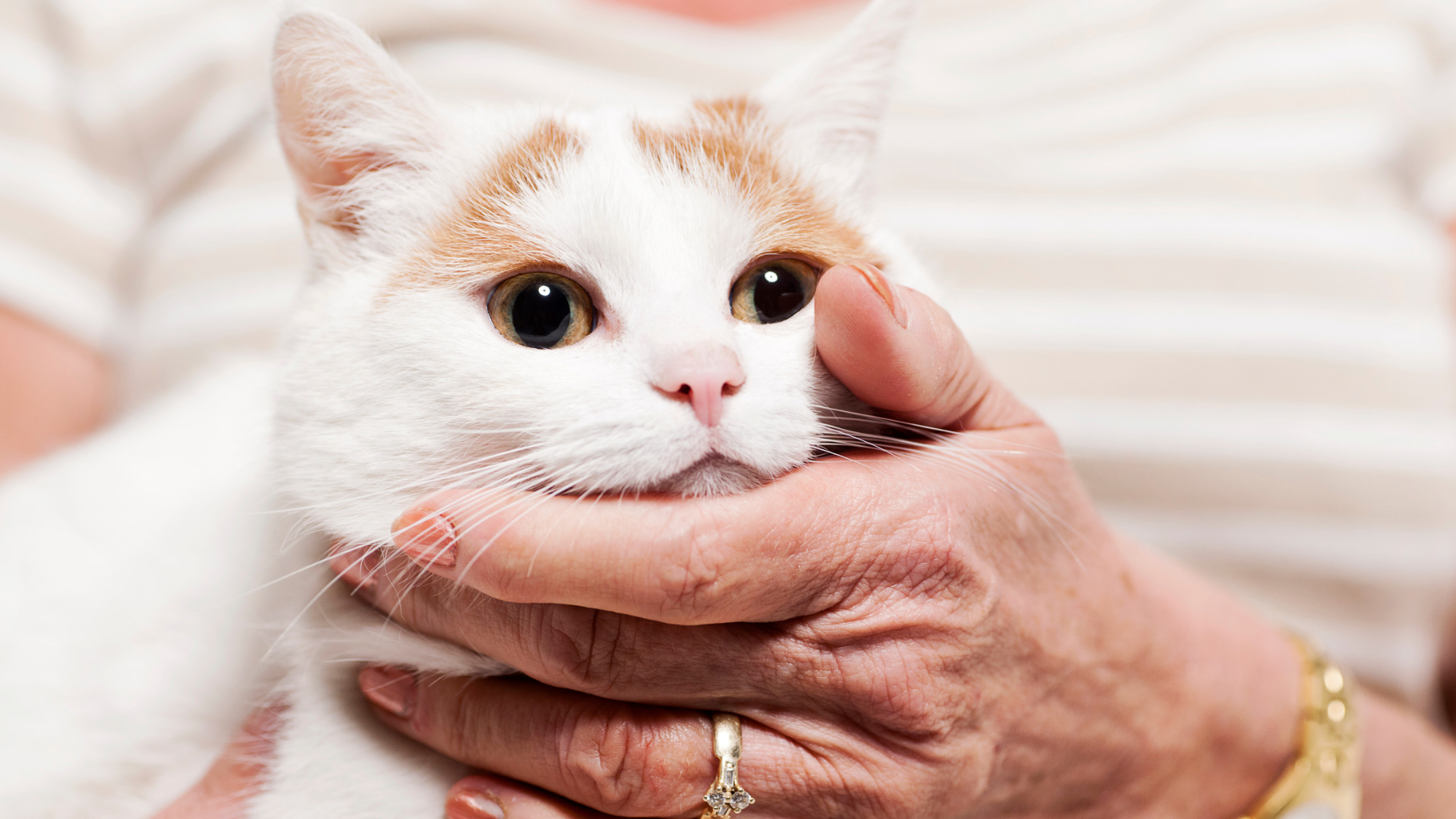
There’s a certain kind of silence that follows the loss of a beloved pet — one that feels heavier than quiet, almost like the air itself is missing something.
For many people in retirement, that silence hits even harder. When your daily rhythm has been shaped around your pet’s needs — the morning walk, the evening cuddle, the sound of paws padding across the floor — losing them can shake the foundation of what makes home feel like home.
If you’re navigating that silence right now, please know you’re not alone. Your grief is valid. It makes sense that your world feels quieter, emptier, and maybe even smaller. Let’s talk about what this kind of loss looks like in retirement — and how to move gently through it.
The Unique Pain of Pet Loss in Later Life
Retirement often brings a shift in identity. After years of careers, parenting, and busy schedules, many people find deep comfort in the companionship of their pets. They become our anchors — the ones who greet us in the morning, fill our days with purpose, and keep us connected to routine and affection.
When that companion is gone, the grief can feel all-encompassing. You might feel a sharp ache when you wake up to an empty house, or when you sit down to dinner without the sound of their paws hoping for a dropped crumb.
They are not “just a pet.” They were your daily companion, your emotional touchstone, your reason to get up and go outside.
And when that relationship ends, it’s natural to feel disoriented. Grief in retirement can be amplified because there are fewer distractions, fewer responsibilities pulling you away from your pain. The stillness you once enjoyed can start to feel unbearable.
Acknowledging the Layers of Grief
The loss of a pet isn’t only the loss of a friend — it’s often the loss of a role. You were their caregiver, protector, playmate, and family. That identity can suddenly disappear overnight, leaving you wondering, Who am I now that they’re gone?
You might also feel guilt.
Guilt for decisions made at the end of their life.
Guilt for wondering if you could have done more.
Even guilt for moments when you catch yourself laughing again.
These feelings are all part of grief. They don’t mean you did something wrong; they mean you loved deeply.
Try to remember: grief isn’t a straight line. It loops, circles back, and softens in time — but it never truly disappears. What changes is the way you carry it.
Small Ways to Ease the Quiet
You can’t fill the silence entirely, but you can soften it. Here are a few gentle ways to start:
1. Keep small rituals alive.
If you used to go for morning walks with your dog, try keeping that habit — even if you walk alone. Let it become a time to think, remember, and breathe.
2. Create a memory space.
Dedicate a small corner of your home to your pet. A framed photo, a collar, or a candle can become a comforting place to sit and reflect when the silence feels heavy.
3. Talk about them.
Share stories with friends, family, or others who understand. Many people in retirement find great comfort in connecting with others who’ve lost pets too. You’re not burdening anyone by talking about your grief — you’re honouring a bond that mattered.
4. Let nature hold you.
Spending time outdoors can help ease the ache of an empty home. Sit in the sun, visit a park you used to enjoy together, or simply listen to birds chirping. Nature has a quiet way of reminding us that love doesn’t end; it transforms.
5. Try creative expression.
Write a letter to your pet, sketch their face, plant flowers in their memory. Creativity can help move grief through your body in ways words can’t always reach.
When Others Don’t Understand
One of the hardest parts of pet loss in later life is when people around you minimize it. They might say, “At least it wasn’t a person,” or “You can just get another one.”
These comments can feel dismissive, even cruel. The truth is, grief doesn’t depend on species — it depends on love. Your pet was family. Losing them is a major loss, and you deserve the same compassion and space to grieve as anyone who’s experienced a profound loss.
If others don’t understand, it’s okay to set boundaries. You might choose to spend more time with people who do get it — whether that’s friends who’ve loved animals, support groups, or gentle online communities where you can share openly.
Finding Meaning After Loss
When the initial wave of grief begins to settle, you might notice new questions arising:
What now?
What gives my days meaning without them here?
This is where healing begins — not in forgetting, but in slowly building a new way of living that carries their memory forward.
Some people find comfort in volunteering with animals, donating to rescues, or simply offering love to a friend’s pet. Others create art, write memoirs, or start small routines that honour the love that remains.
There’s no single right way to move forward — only the one that feels authentic to you. Healing doesn’t mean replacing your pet; it means integrating their love into the next chapter of your life.
If You’re Considering Another Companion
It’s natural to think about adopting again, especially when your home feels too quiet. But it’s equally natural to not be ready — or to decide that your next companion might come in a different form, like fostering or volunteering.
There’s no timeline.
No “should.”
If you do decide to welcome another animal, know that it isn’t disloyal. Love expands — it doesn’t replace. Every pet is unique, and the love you shared with the one you lost will always hold its own special place in your heart.
Grieving With Grace and Compassion
Grief can be especially isolating in retirement. The routines you built together are gone, and the silence can echo louder when you’re alone. But each tear, memory, and ache in your chest is proof of something beautiful — the love that was shared.
Be patient with yourself. Allow yourself to rest when the weight of grief feels too heavy. Speak your pet’s name out loud. Tell stories. Keep their spirit woven into the fabric of your everyday life.
You don’t “get over” a loss like this — you grow around it.
And what remains, always, is love.
💖 A Gentle Reminder
Grief is a sign of love, not weakness. You don’t have to rush your healing, and you don’t have to face it alone.
If you’re struggling with the quiet, please reach out. I offer pet loss grief coaching designed to help you navigate this tender time with compassion and understanding.
Your love story doesn’t end here — it simply changes form.
You can learn more or schedule a free consultation here:
